
Best Exercises for Treating Common Foot Injuries
Our feet absorb thousands of pounds of force every day, making them one of the hardest-working structures in the body. Whether from sports, occupational demands, poor footwear, or simple overuse, foot injuries are among the most common musculoskeletal conditions seen in physical therapy clinics.
Physical Therapists are trained to diagnose and treat a variety of the most prevalent foot and ankle injuries and conditions with evidence-based treatment strategies essential for helping patients return to pain-free activity. Below are some of the most common foot and ankle injuries and conditions that may be keeping you from staying active and enjoying your favorite activities.
1. Plantar Fasciitis
What It Is
Plantar fasciitis occurs when the plantar fascia—a thick band of connective tissue running along the bottom of the foot—becomes irritated and inflamed. Patients often report sharp heel pain, particularly during the first few steps in the morning.
Common Causes
- Overuse or repetitive stress
- Tight calf muscles
- Prolonged standing
- Improper footwear
- Sudden increases in activity levels
Rehabilitation Exercises
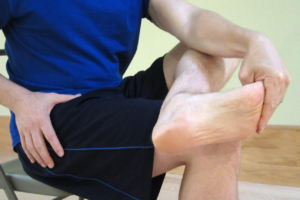
Plantar Fascia Stretch
- Sit with one leg crossed over the other.
- Pull the toes upward until a stretch is felt along the arch.
- Hold for 20–30 seconds.
- Repeat 3–5 times.
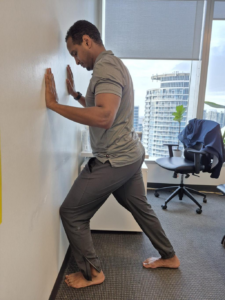
Calf Stretch
- Stand facing a wall.
- Place the affected leg behind the body.
- Keep the heel down and lean forward.
- Hold for 30 seconds and repeat 3 times.
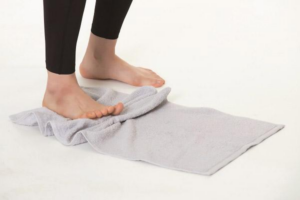
Towel Curls
- Place a towel on the floor.
- Use the toes to scrunch the towel toward the body.
- Perform 2–3 sets of 15 repetitions.
2. Achilles Tendinopathy
What It Is
Achilles tendinopathy involves degeneration or irritation of the Achilles tendon, often resulting from repetitive loading activities such as running or jumping.
Common Symptoms
- Pain along the back of the heel
- Morning stiffness
- Tenderness with activity
- Reduced calf strength
Rehabilitation Exercises
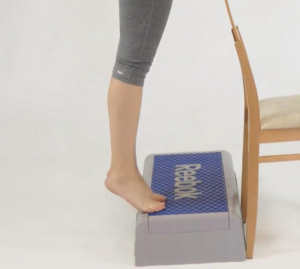
Eccentric Heel Drops
- Stand on the edge of a step.
- Rise onto both toes.
- Slowly lower the affected heel below the step level.
- Perform 3 sets of 15 repetitions.
Seated Calf Raises
- Sit with feet flat on the floor.
- Raise heels while keeping toes planted.
- Progress by adding weight when tolerated.
- Perform 3 sets of 12–15 repetitions.
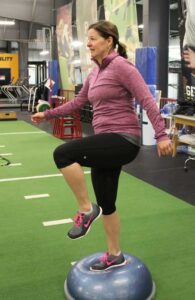
Balance Training
- Stand on one foot for 30 seconds.
- Progress to unstable surfaces as tolerated.
- Repeat 3–5 times.
3. Ankle Sprains
What It Is
Lateral ankle sprains are among the most common injuries in sports and recreational activities. They occur when ligaments on the outside of the ankle are stretched or torn.
Common Symptoms
- Swelling
- Bruising
- Pain with walking
- Instability
Rehabilitation Exercises
Ankle Alphabet
- Sit comfortably and “write” the alphabet with your foot.
- Complete once or twice daily.
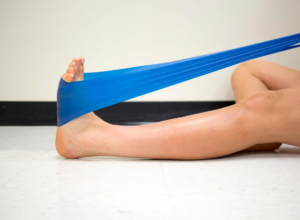
Resistance Band Strengthening
- Perform ankle inversion, eversion, dorsiflexion, and plantarflexion.
- Complete 2–3 sets of 10–15 repetitions.
Single-Leg Balance
- Stand on the injured leg.
- Hold for 30–60 seconds.
- Progress by closing the eyes or standing on foam.

Restoring proprioception is critical for reducing the risk of recurrent ankle sprains.
4. Metatarsalgia
What It Is
Metatarsalgia refers to pain in the ball of the foot caused by excessive pressure on the metatarsal heads.
Common Causes
- High-impact activities
- Poor footwear
- Foot deformities
- Muscle weakness
Rehabilitation Exercises
Toe Spreads
- Spread the toes apart as wide as possible.
- Hold for 5 seconds.
- Perform 10–15 repetitions.
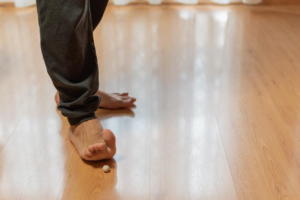
Marble Pickups
- Pick up small objects using the toes.
- Continue for 2–3 minutes.
Arch Strengthening
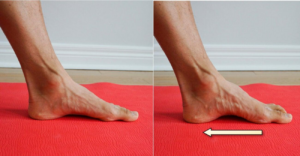
- Practice “short foot” exercises by drawing the ball of the foot toward the heel without curling the toes.
- Hold for 5–10 seconds.
- Perform 10 repetitions.
5. Posterior Tibial Tendon Dysfunction
What It Is
This condition affects the tendon responsible for supporting the arch of the foot and can contribute to progressive flatfoot deformity.
Common Symptoms
- Pain along the inside of the ankle
- Arch collapse
- Difficulty walking long distances
- Weakness during heel raises
Rehabilitation Exercises
Single-Leg Heel Raises
- Rise onto the toes of the affected side.
- Lower slowly.
- Perform 2–3 sets of 10 repetitions.
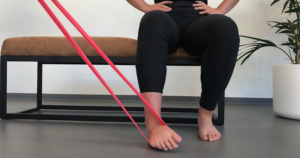
Resistance Band Inversion
- Anchor a resistance band.
- Turn the foot inward against resistance.
- Complete 3 sets of 12 repetitions.
Foot Intrinsic Strengthening
- Short foot exercises
- Toe yoga drills
- Arch activation exercises
Key Takeaways
Successful foot rehabilitation extends beyond symptom management. Working with a skilled and licensed Physical Therapist is often the key to an accurate diagnosis and a full and speedy recovery. Your Physical Therapist will diagnose the cause of your pain and put together a comprehensive, individualized plan of care to help improve your symptoms, get you back on your feet and enjoying the activities you love. This plan will typically include some or all of the following elements:
- Restoring strength and mobility
- Improving balance and proprioception
- Addressing biomechanical contributors
- Educating patients on footwear and activity modification
- Developing progressive return-to-activity plans
Foot injuries can significantly impact mobility and quality of life, but with targeted exercise interventions, manual therapy, and individualized rehabilitation programs, most patients can return to their desired activities safely and effectively.
How Elite Can Help!
Are you or someone in your family dealing with a new or nagging foot injury or pain? If so, the experienced team of expert Physical Therapists at Elite are here to help! To learn more about Physical Therapy at Elite, click HERE To schedule as Initial Evaluation with one of our PTs or give us a call at 781-436-9843 to schedule an assessment today!