
UCL Tears in Overhead Athletes: A Quick Guide to Your Elbow Pain
If you’re a throwing or overhead athlete dealing with inner elbow pain, you may have heard of a UCL (ulnar collateral ligament) injury. It sounds serious—and sometimes it is—but the good news is that not every UCL injury requires surgery, and physical therapy can often have result in significant improvements!
What is the UCL?
The ulnar collateral ligament (UCL) is a small but important ligament on the inside of your elbow. It helps stabilize your elbow joing when you throw a ball, perform a tennis serve, or spike a volleyball (among other activities). Over time, repeated stress on this ligament complex can cause it to become irritated, inflamed, or even result in a tear.
Common Signs of a UCL Injury 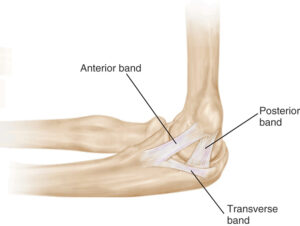
● Pain on the inside of the elbow, especially during and following throwing activities
● Decreased throwing velocity or accuracy
● Arm fatigue or feeling of “dead arm”
● Feeling of looseness or instability in your elbow
● Tingling into the ring and pinky fingers
Do You Need Surgery?
Not always. Many athletes—especially with partial tears—can recover with physical therapy alone. Surgery to repair the UCL ( often referred to as “Tommy John surgery”) is typically reserved for more severe cases or when rehab hasn’t worked. It’s important to have your elbow evaluated by an orthopedist and physical therapist to ensure the best treatment plan based on your exam findings, symptoms and goals.
Why Physical Therapy is So Important
PT for a UCL injury doesn’t just focus on the elbow—it’s about your entire body working together. In fact, UCL injuries are often the result of mobility or strength issues in other parts of the body (i.e. shoulder, core, lower body) and the elbow is simply the “victim” of other problems along the kinetic chain. That’s why it’s so important to to undergo a comprehensive assessment to ensure that all areas that may be contributing to the elbow problem are properly addressed in your rehab plan.
How Can PT Help?
✔️ Reduce Pain: We help calm symptoms while keeping you moving safely.
✔️ Improve Mobility: Tight shoulders and upper back = more stress on your elbow.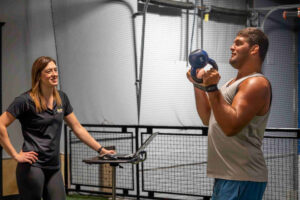
✔️ Increase Muscular Strength and Endurance
We focus on improving strength and endurance in the following areas:
● Shoulder (rotator cuff muscles)
● Upper back (periscapular muscles)
● Forearm and grip
● Core and lower body
Stronger support = reduced stress on your elbow.
✔️ Gradual Return to Throwing: No guessing. You’ll follow a structured throwing program so you gradually increase the loading of your elbow and don’t come back too soon and increase your injury risk.
The Big Takeaway
A UCL injury typically isn’t just an elbow issue—it’s the result of an overloading and movement problem that’s often related to issues in other parts of your body.
With the right plan, most athletes can:
- Reduce pain and inflammation
- Return to sport safe
- Improve overall throwing mechanics and performance
- Reduce their risk of reinjury in the future
When to Get Help
If your elbow pain has lasted more than a couple weeks, is getting worse, or is affecting your performance, it’s time to get it checked out.
Bottom line: Don’t ignore elbow pain or try to “push through it.” The earlier you address it, the faster—and stronger—you’ll come back.
How Elite Can Help!
Are you or someone in your family dealing with a UCL injury? If so, the experienced team of expert Physical Therapists at Elite are here to help! To learn more about Physical Therapy at Elite, click HERE To schedule as Initial Evaluation with one of our PTs or give us a call at 781-436-9843 to schedule an assessment today!